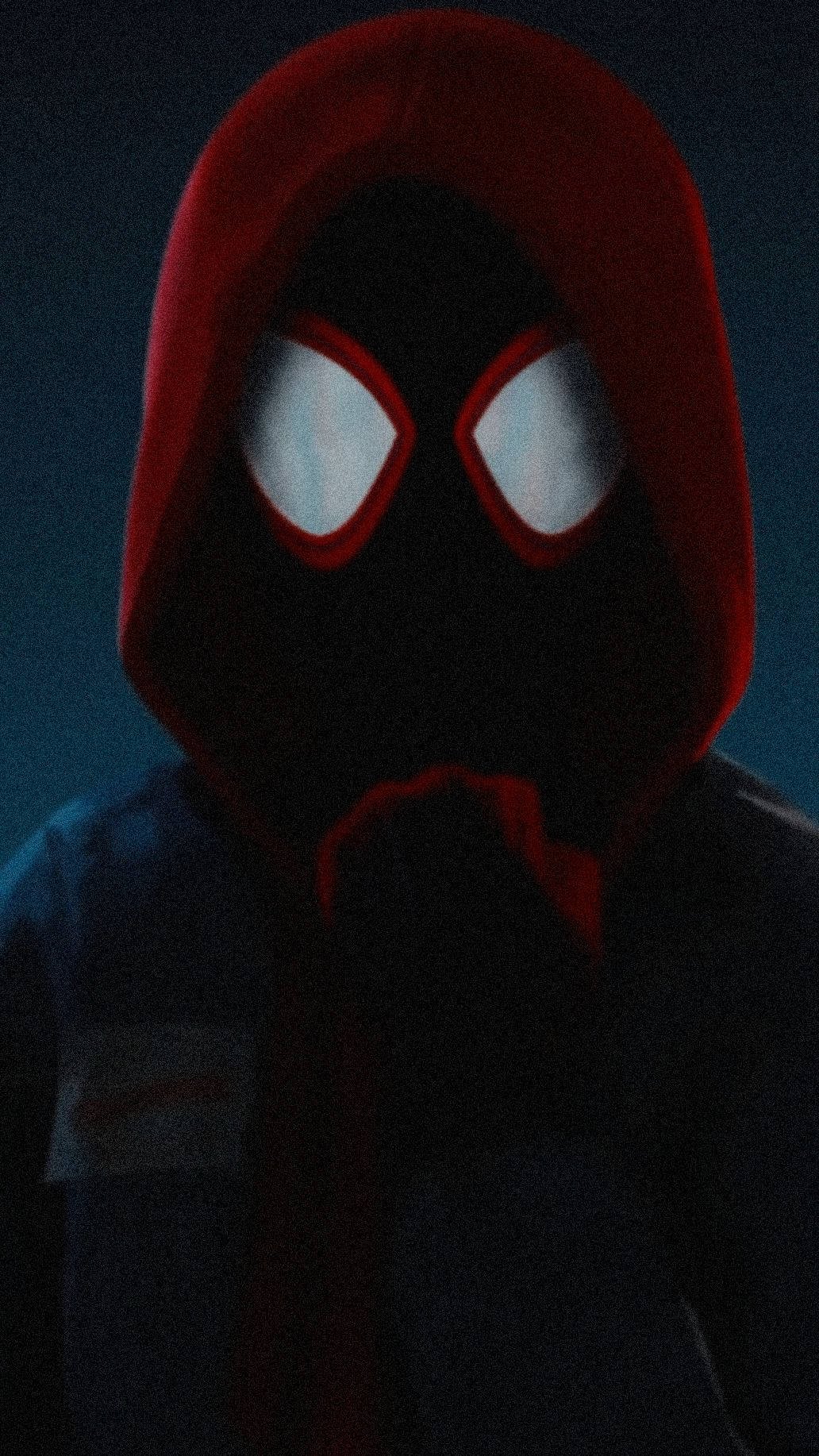
From his groundbreaking debut in the Ultimate Universe to his meteoric rise in the Spider-Verse films, Miles Morales has captivated audiences worldwide. His iconic red and black suit is instantly recognizable, but perhaps no element is more critical to his persona than his mask. Far from a static design, the Miles Morales mask variations across media offer a fascinating look into artistic interpretation, technological advancement, and narrative intent, subtly reflecting his journey as Spider-Man.
It's not just about covering his face; it's about conveying youth, determination, and the weight of immense power and responsibility. Each iteration of Miles' mask is a deliberate choice, shaping how we perceive the hero beneath.
At a Glance: Miles Morales Mask Key Takeaways
- Comic Origins: Generally feature clean lines, expressive white eye lenses, and a standard web pattern, evolving slightly with different artists.
- Into the Spider-Verse: Introduced highly stylized, dynamic eyes, a visible fabric texture, and an almost "hand-drawn" quality to reflect the film's unique animation.
- Across the Spider-Verse: Retained the expressive animation style but refined the mask, often appearing more streamlined and "mature" as Miles grows into his role.
- Video Games (e.g., Marvel's Spider-Man: Miles Morales): Prioritize photorealistic textures, intricate web detailing, and often integrate advanced suit tech with light-up elements or subtle material shifts.
- Other Animated Series: Tend to blend comic book fidelity with the need for simplified animation, often leaning into bolder outlines and less intricate textures.
- Subtle Differences, Big Impact: Variations in eye shape, web density, and material depiction profoundly influence Miles' character expression and the overall tone of his story in each medium.
Beyond the Basics: Miles Morales' Enduring Appeal and His Mask's Symbolism
Miles Morales burst onto the scene in Marvel's Ultimate imprint, designed to offer a 21st-century rendition of Spider-Man for a modern, younger audience. Like his predecessor, Peter Parker, Miles gained his powers from a radioactive spider—in his case, one created by Norman Osborn. But Miles brought his own unique twist: exclusive abilities like the "Venom Shock" and a powerful camouflage. These new powers, coupled with a distinct background and story of loss, quickly made him a favorite.
His suit, a striking departure from Peter's red and blue, features a predominantly black base with red accents, often incorporating a graffiti-inspired spider emblem. The mask is the focal point, acting as both a shield and a canvas for his emotions. It’s a powerful symbol of legacy and new beginnings, embodying the spirit of Spider-Man while forging its own path. As you dive deeper into the various interpretations of his look, you'll see how even the smallest changes to his mask tell a part of his evolving story.
The Blueprint: Miles' Mask in His Comic Origins
When Miles Morales first donned the mantle of Spider-Man in Ultimate Fallout #4 (2011), his mask was designed with immediate recognition and a slight sense of "newness" in mind.
- The Classic Comic Design: In his initial comic appearances, Miles' mask largely mirrored the classic Spider-Man shape, but with distinctive black and red coloring. The eye lenses were typically clean, white ovals, often featuring a subtle black outline. This design emphasized clarity and directness, allowing the reader to infer emotion from body language and dialogue, characteristic of comic book art.
- Webbing and Texture: The web pattern was generally consistent and clearly defined, though artists might vary its thickness. The material was depicted as a smooth, flexible fabric, giving a sense of sleekness and agility. Early on, the mask fit very snugly, almost like a second skin, accentuating his youthful features beneath.
- Evolution on the Page: Over his various comic runs, different artists have brought their own flair. Sometimes the eyes become slightly more angular, or the webbing gains a more textured, almost raised appearance. However, the core elements—white eyes, black and red scheme—remain sacred, ensuring his identity is never mistaken. These subtle shifts often reflect the artist's personal style or the specific tone of the story arc, but they rarely stray far from the established visual language of the comic book page.
Leaping Off the Page: The Animated Cinematic Mask
The Spider-Verse films redefined animated superhero storytelling, and with it, Miles Morales' visual identity. His mask, in particular, became a masterclass in expressive design.
Spider-Man: Into the Spider-Verse – The Emergence of Style
- Dynamic and Expressive Eyes: Perhaps the most striking feature of Miles' mask in Into the Spider-Verse was the incredible range of expression in its eye lenses. Unlike static comic eyes, these could warp, stretch, squint, and widen to convey every nuance of Miles' fear, surprise, determination, and budding confidence. This animation choice was crucial for a character who spends much of the film learning to be Spider-Man.
- Visible Fabric Texture: The animators deliberately gave the suit, and thus the mask, a palpable fabric texture. You could almost see the weave of the material, which added to the film's unique, painterly aesthetic, blurring the lines between comic book and animation. It made the suit feel tangible, even "homemade" in its initial form, further connecting with Miles' underdog journey.
- Graffiti Influence: There were often subtle visual cues, particularly in the early stages, that hinted at Miles’ artistic background. The mask didn't feel mass-produced; it felt like a part of his burgeoning identity.
Spider-Man: Across the Spider-Verse – Refinement and Maturity
- Polished but Still Expressive: In Across the Spider-Verse, Miles' mask maintained its incredible expressiveness, a hallmark of the franchise, but with a noticeable refinement. The lines were often sharper, the contours more defined, reflecting Miles' growth from a rookie hero to someone more confident and experienced.
- Narrative Reflection: The slight polish in the design subtly mirrored his journey. He's no longer just trying to fill Peter's shoes; he's carved out his own space. The mask's design still allowed for those exaggerated emotional shifts but often presented them with a bit more confidence, less of the initial wide-eyed wonder.
- Contextual Adaptations: The film also showcased various versions of Miles' suit and mask, sometimes integrated with advanced tech or personalized tweaks from different Spider-Societies, although his primary mask maintained its iconic look. These cinematic masks are truly a blend of art and storytelling, making them perhaps the most beloved interpretation of the Ultimate Miles Morales mask guide.
Suiting Up in the Digital Realm: Video Game Interpretations
Video games provide a unique opportunity to experience Miles' world firsthand, and their interpretations of his mask prioritize detail, realism, and player immersion.
Marvel's Spider-Man: Miles Morales (PS4/PS5) – High Fidelity and Tech Integration
- Photorealistic Textures: Insomniac Games' Marvel's Spider-Man: Miles Morales brought an unparalleled level of detail to the mask. The fabric texture was incredibly intricate, showcasing individual stitches, subtle creases, and the way light reflected off the material. This commitment to realism helped ground Miles in a believable New York City.
- Enhanced Webbing: The web patterns were rendered with sharp precision, often appearing slightly raised or embossed on the suit, giving them a tactile quality.
- Dynamic Eye Lenses: While not as cartoonishly expressive as the Spider-Verse films, the game's mask eyes were still dynamic. They could narrow or widen subtly to convey emotion, often reacting to in-game actions like stealth mode or combat, sometimes glowing slightly to indicate suit tech integration.
- Suit Variations: The game allowed players to unlock numerous suits, each with its own mask variation. From the classic comic look to more futuristic or armored designs, these masks offered diverse takes, sometimes incorporating glowing elements, exposed tech, or even unique material overlays that changed the entire aesthetic of Miles' headwear. This level of customization truly let players connect with Miles' identity.
Other Game Appearances – Simplified or Stylized
- Marvel Ultimate Alliance 3: The Black Order: Here, Miles' mask is stylized to fit the game's overall aesthetic—clean, bold lines, with less emphasis on hyper-realistic textures. The eyes are typically large, white, and expressive, leaning closer to his comic appearance but adapted for a cel-shaded, cartoon-like presentation.
- Mobile Games (e.g., Marvel Future Fight, Spider-Man Unlimited): These versions often simplify the mask design for performance on mobile devices. They maintain the core red and black, with clear white eyes and a basic web pattern, focusing on immediate character recognition rather than intricate detail.
Masked Through Other Screens: Diverse Animated Appearances
Beyond the cinematic blockbusters, Miles Morales has also appeared in various television series, each offering a distinct take on his iconic mask.
- Marvel's Spider-Man (Disney XD Series): In this animated series, Miles' mask strikes a balance between comic book accuracy and the needs of episodic animation. The eyes are typically large and white, with bold black outlines, allowing for clear expression. The web pattern is usually clean and consistent, and the overall fit is snug. This iteration often uses a slightly brighter red in its color palette, making it pop on screen.
- Ultimate Spider-Man (Cameo/Guest Appearances): Even in earlier animated series where Miles made brief appearances, his mask retained its core identity: red and black, distinct white eyes. These designs often sought to integrate him visually with the established animation style of the show, sometimes making his mask slightly less textured than in his solo ventures.
These animated masks serve a functional purpose: they need to be clear and consistent across many episodes, allowing animators to maintain character identity while conveying action and emotion efficiently. They often represent a more generalized, universally appealing version of his comic design.
Why the Subtle Shifts Matter: Design Choices and Narrative Impact
The variations in Miles Morales' mask aren't arbitrary. They are carefully considered design choices that serve to enhance the character and his story within each specific medium.
- Artistic Freedom vs. Character Identity: Creators have the challenge of balancing artistic innovation with maintaining Miles' core identity. The mask is central to this. Filmmakers, game developers, and comic artists each find unique ways to reinterpret it while ensuring it remains unmistakably Miles.
- Expressiveness for Animation: In animated films and series, the ability for the mask's eyes to convey emotion is paramount. The Spider-Verse films pushed this to an extreme, making the eyes a dynamic window into Miles' soul, crucial for his character development as he learns to embrace his powers and identity.
- Realism and Immersion for Games: Video games strive for immersion. Detailed textures, nuanced lighting, and realistic physics applied to the mask's fabric make the player feel more connected to Miles' world. The small details—the way the fabric bunches, the slight sheen of the lenses—all contribute to a believable experience.
- Reflecting Character Growth: The mask isn't just static apparel; it can evolve with Miles. From the slightly raw, almost hand-drawn feel of his first Spider-Verse mask to the more polished look in the sequel, the mask visually underscores his journey from an uncertain teenager to a more confident, mature hero. It’s a subtle narrative device, showing rather than telling.
- Maintaining the Icon: Despite all the variations, the core design principles—red and black, distinct eye shape, web pattern—are always preserved. This ensures that no matter where you encounter Miles, his mask instantly signifies heroism, youth, and a fresh take on the Spider-Man legacy.
Decoding the Details: Common Mask Elements and Unique Twists
Understanding the nuances means looking at the common elements that are present in every mask, and then noting how each medium tweaks them.
- Eye Lenses: This is perhaps the most variable and impactful element.
- Comic: Typically stark white, often with a bold black outline.
- Into the Spider-Verse: Highly stylized, large, and incredibly dynamic, capable of stretching and changing shape dramatically.
- Across the Spider-Verse: Refined versions of the Into the Spider-Verse eyes, still expressive but often with sharper edges.
- Video Games: More realistic, often with subtle texture or a slight reflective quality, and sometimes integrated with glowing tech.
- Other Animation: Generally large white ovals, designed for clear, consistent animation.
- Web Pattern: While the classic Spider-Man radial web pattern is always present, its execution varies.
- Comic: Clean, often flat, lines.
- Animated Films/Series: Can appear slightly textured or painted on, sometimes with intentional imperfections.
- Video Games: Highly detailed, often with a raised or embossed effect, creating depth.
- Material: The implied texture of the mask's fabric.
- Comic: Smooth, flexible spandex.
- Animated Films: A visible, almost woven texture, giving a handcrafted feel.
- Video Games: Highly realistic fabric weaves, sometimes with subtle sheen or matte finishes depending on the suit.
- Overall Fit: How snugly the mask conforms to Miles' face.
- Comic/Games: Generally a very tight fit, showcasing the underlying facial structure.
- Animated Films: Can be slightly looser, allowing for greater "squash and stretch" animation for comedic or dramatic effect.
Your Guide to Spotting Miles' Mask Nuances
Next time you encounter Miles Morales in a comic, game, or film, take a moment to really look at his mask. Here's what to consider:
- Observe the Eyes: Are they static or dynamic? What shape are they? Do they convey emotion without Miles saying a word?
- Check the Webbing: Is it a flat line, or does it have texture? How consistent is the pattern?
- Note the Material: Can you "feel" the fabric? Does it look like spandex, woven cloth, or something more advanced?
- Consider the Context: How does the mask's design fit the overall artistic style of the medium? Does it tell you something about Miles' current emotional state or his journey?
These small observations will deepen your appreciation for the thoughtful design that goes into bringing this incredible character to life, showing you just how impactful seemingly minor details can be.
The Future of the Mask: What's Next for Miles?
Miles Morales' journey is far from over. With more Spider-Verse films on the horizon and the persistent possibility of a live-action debut (perhaps within the MCU or Sony's own Spider-Man Universe, as discussed in the context research), his mask will undoubtedly continue to evolve. Each new medium and creative team will bring fresh perspectives, challenging the established look while honoring its legacy.
Will a live-action mask opt for a highly realistic, fabric-based design, or will it incorporate more glowing, tech-infused elements seen in some game iterations? Will future animated features push the boundaries of expression even further? What new visual metaphors will his mask embody as Miles continues to grow as a hero? The only certainty is that his mask will remain a potent symbol of a new generation's hero, constantly adapting yet forever iconic.