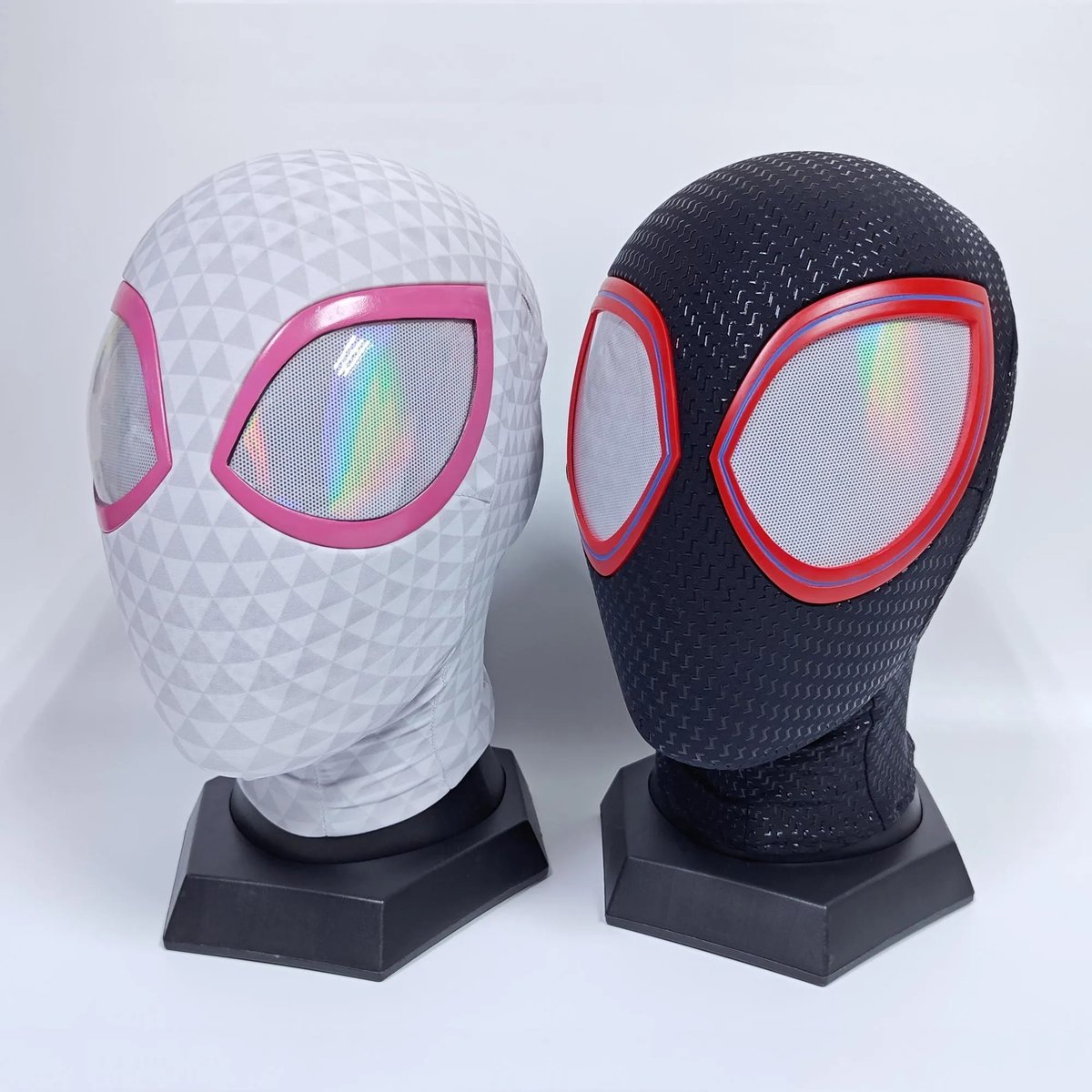
Miles Morales burst onto the scene, not just as a new Spider-Man but as a fresh take on what heroism looks like. From his vibrant personality to his striking costume, every detail resonates with fans. But let's be honest, the mask? That's the heart of the enigma, the core of the character. Mastering "Miles Morales Mask Cosplay & Wearability Tips" isn't just about crafting fabric; it's about embodying a hero while ensuring you can actually see, breathe, and enjoy the experience.
As someone who's spent countless hours dissecting superhero aesthetics and sweating through conventions (sometimes literally), I can tell you that a flawless mask isn't just about looking good in photos. It's about comfort, durability, and that undeniable feeling of being Miles Morales. This guide cuts through the noise to give you the actionable insights you need to create a mask that’s both authentic and incredibly wearable.
At a Glance: Crafting Your Miles Morales Mask for Ultimate Comfort and Style
- Essential Materials: Start with high-quality red and black Lycra for stretch, breathability, and a snug fit.
- Precision is Key: Accurately measure and cut fabric, paying special attention to eye hole placement and the iconic spider emblem.
- Emblem Artistry: Use white paint or fabric markers for the distinctive spider, ensuring clean lines and proper shape.
- Dynamic Dimension: Employ subtle black spray paint techniques (dry brushing, highlighting, gradient) to add shadows and muscle definition, even on the mask.
- Wearability First: Prioritize vision (mesh, anti-fog), breathability (fabric choice, hidden vents), and a comfortable, non-slip fit.
- Integration Matters: Ensure your mask seamlessly matches and connects with the rest of your Miles Morales bodysuit for a cohesive look.
- Test and Refine: Don't wait for convention day to discover issues; test your mask's comfort and functionality thoroughly beforehand.
Why Miles Morales' Mask Is More Than Just Fabric
Miles isn't just Peter Parker in a different suit; he's a distinct hero with his own unique journey. Bitten by a genetically modified spider, he developed powers like bio-electricity (venom blast) and camouflage, setting him apart. His costume, particularly the mask, reflects this blend of classic Spider-Man elements with a modern, edgy twist. The sleek black, the vibrant red, the simplified yet powerful spider emblem – it all screams "new generation."
When you don a Miles Morales mask, you're not just covering your face; you're stepping into the persona of a Brooklyn teenager grappling with immense power and responsibility. This isn't a frivolous fashion choice; it's a statement. That's why getting the mask right, both in appearance and feel, is paramount for any cosplayer aiming for true authenticity and immersion.
The Blueprint: Essential Materials for an Authentic Mask
Before you can swing through the city (or convention hall), you need the right tools and textiles. The foundation of a great Miles Morales mask lies in selecting the best materials that offer both visual accuracy and crucial comfort.
Fabric First:
At the top of the list is Lycra fabric, and for good reason. Its incredible stretch and form-fitting properties are indispensable for creating a mask that contours seamlessly to your head without feeling restrictive. You'll need:
- Red Lycra Fabric: This forms the primary outer layer of your mask, giving it that vibrant pop.
- Black Lycra Fabric: While the mask is predominantly red, black Lycra is often used for subtle detailing or as a comfortable inner lining, especially around the neck or edges if you're integrating it with a full cowl.
Why Lycra? Beyond its stretch, Lycra breathes relatively well, wicks moisture to some degree, and holds its shape after repeated wear. This is critical for preventing your mask from becoming a sweaty, saggy mess halfway through an event. Opt for a high-quality, medium-weight Lycra that isn't too sheer. Remember, durability ensures your hard work lasts, making the costume suitable for professional use or competitions.
Webbing (for the suit, with mask considerations):
The ground truth specifies white webbing material for the bodysuit, positioned to form the iconic pattern. For the mask itself, the approach is different: - White Paint or Fabric Markers: For the intricate web lines and the distinctive spider emblem on the mask, you'll be drawing or painting directly onto the red Lycra. This requires fine-tipped fabric markers or specialized fabric paint designed for stretch materials.
Tools of the Trade: - Sharp Scissors: For clean, precise cuts.
- Fabric Glue (Optional): For securing any seams or edges if you're not sewing.
- Sewing Machine (Recommended): For durable, professional-looking seams.
- Measuring Tape: Essential for accurate sizing.
- Mannequin Head or Dress Form: Invaluable for shaping the mask, ensuring symmetry, and applying details evenly. A regular Styrofoam wig head can work in a pinch.
- Iron and Ironing Board: To press seams for a crisp finish and set fabric paints (check paint instructions).
- Black Spray Paint: Specifically, a fabric-safe variety, for adding shadows and muscle definition.
- Fine Paint Brushes/Sponges: For applying spray paint subtly or for detailed emblem work.
By investing in essential materials for your Miles Morales costume, you're laying the groundwork for a truly impressive piece of cosplay. Don't skimp here; quality pays dividends in both aesthetics and longevity.
Crafting Your Iconic Mask: Step-by-Step Construction
The Miles Morales mask, while seemingly simple, requires a thoughtful approach to ensure it’s both visually stunning and highly functional. Let's break down the process.
The Foundation: Preparing Your Mask Base
Think of this as sculpting your canvas. The goal is a smooth, form-fitting base ready for its signature details.
- Start with a Mannequin Head: Cover your mannequin head with black fabric first. This helps to simulate a darker base and provides a consistent surface. If you're building the mask as part of a full cowl, place the black Lycra bodysuit's hood section over the mannequin.
- Stretch the Red Lycra: Carefully stretch the red Lycra fabric over the mannequin head. This forms the outer layer of your mask. You want it taut but not overstretched, ensuring there are no wrinkles or bulges. If you're integrating with a full suit, this is where your pre-cut hood piece comes into play. Stitch the red Lycra panels together to form a hood shape, leaving the face area open for now.
- Secure the Fabric: Pin the fabric securely to the mannequin head. If you're sewing, mark your seam lines with tailor's chalk, then carefully remove it from the mannequin, stitch, and put it back on to check the fit. The key here is a custom, snug fit that won't sag.
Precision Eye Holes & Emblem Definition
This is where the mask truly comes to life. The eyes and the emblem are the most recognizable features.
- Mark Eye Holes: While the red Lycra is stretched on the mannequin, carefully mark the placement and shape of Miles' distinctive eye lenses. Use a fabric marker or tailor's chalk. It's crucial to get these symmetrical and positioned correctly for your face (if you're making it custom to you). You might need to try the mask on periodically to fine-tune placement.
- Cut Eye Holes: Using very sharp, small scissors, carefully cut out the marked eye holes. Start small and gradually enlarge, rather than cutting too much at once.
- Prepare for Lenses: Most cosplayers use a breathable, dark mesh fabric (like a dark window screen material or a specialty costume mesh) for the eye lenses. Cut this mesh slightly larger than your eye holes. You can either glue these in place with fabric glue or carefully hand-stitch them from the inside. This allows you to see out while obscuring your eyes.
- Draw the Spider Emblem: Miles’ spider emblem is unique – more stylized and angular than Peter Parker’s. Using white fabric paint or fabric markers, carefully draw the spider emblem onto the front of the mask. Position it centrally. Take your time with this; clean lines and accurate shape are vital. Practice on a scrap piece of Lycra first! For a truly professional look, you might create a stencil or even use an embroidery machine if you have access, as mentioned in the ground truth for the bodysuit. For the mask, however, painted or fabric-marked details offer more flexibility for contouring.
The Illusion of Depth: Painting Techniques for Dynamic Effect
Once your mask has its basic shape, eyes, and emblem, it's time to add dimension. This is where subtle painting transforms a flat piece of fabric into a three-dimensional marvel, enhancing the mask's contours and making it look more dynamic. The same techniques used for advanced painting techniques for cosplay masks apply here.
- Focus on Contours: Even though the mask is tight-fitting, you can use paint to suggest structure. Think about where natural shadows would fall around the eyes, nose, and jawline, even on a smooth surface.
- Black Spray Paint Techniques (Fabric-Safe):
- Dry Brushing: Lightly load a stiff brush with a small amount of black spray paint (sprayed onto a palette first), then brush it gently over raised areas or along seams to create texture and subtle shadows. This is great for hinting at muscle definition around the jaw or temple.
- Highlighting: Use very minimal black paint on a soft sponge or brush, focusing on the edges of where light would hit. This can make details like the eye frames pop.
- Gradient Spraying: For smooth transitions from light (red Lycra) to dark (shadows), hold the spray paint can further away and apply multiple light layers. This works well for darkening areas around the neck or under the jawline where the mask meets the shoulders.
- Ombre Spraying: Similar to gradient, but aims for a blurred effect. This can soften the edges of painted shadows, making them look more natural.
- Subtlety is Key: The goal isn't to create stark black lines, but soft, almost imperceptible shifts in tone that add depth. Stand back frequently to assess your work. Too much black paint can overpower the red.
- Practice Makes Perfect: Always test your spray paint techniques on a scrap piece of Lycra first to get a feel for how the paint interacts with the fabric and how quickly it dries.
Wearability Wisdom: Comfort, Vision, and Breathability
A great Miles Morales mask isn't just about how it looks; it's about how it feels when you're wearing it. Neglecting comfort and functionality can ruin your entire cosplay experience. This section focuses on the practical tips that seasoned cosplayers swear by to make their masks truly wearable.
Seeing Clearly: Vision Considerations
Imagine trying to navigate a crowded convention hall with tunnel vision. Not fun. Miles needs to see his environment, and so do you.
- The Right Mesh: As mentioned, a dark, breathable mesh fabric for the eye lenses is crucial. Options include:
- Speaker Mesh Fabric: Often found in audio shops or online, it's opaque from the outside but surprisingly transparent from within.
- Window Screen Material: A cheaper alternative, but ensure it's flexible and comfortable against your skin.
- Specialty Cosplay Mesh: Designed specifically for masks, offering optimal balance of vision and concealment.
- Optimal Eye Hole Size: Don't make the eye holes too small; they restrict your peripheral vision. They should be large enough to allow a reasonable field of view without making your eyes visible.
- Anti-Fog Solutions: Your breath and body heat can quickly fog up eye lenses, especially in warm environments.
- Anti-Fog Sprays/Wipes: The kind used for glasses or swimming goggles can work wonders. Apply them before wearing.
- Strategic Ventilation: See the next point, but small, hidden vents can help circulate air.
Breathing Easy: Ventilation Strategies
Nobody wants to feel like they're suffocating in their mask. Breathability is paramount for comfort and safety.
- Fabric Choice Revisited: High-quality Lycra already offers some breathability. Avoid thick, non-stretch fabrics that trap heat.
- Hidden Vents: Consider strategically placing tiny, discreet ventilation holes or using a slightly more open-weave fabric in less visible areas, such as under the chin or along the jawline, if they can be disguised.
- Mouth/Nose Positioning: Ensure there's adequate space around your nose and mouth. If the fabric is pressed too tightly, it can feel restrictive. Some cosplayers create a very subtle "pocket" around the mouth area by adding a small dart or seam that allows more breathing room without altering the external appearance.
Snug Not Stifling: Fit and Sizing
A well-fitting mask stays put, looks smooth, and doesn't pinch or squeeze.
- Accurate Measurements: Measure your head circumference, from chin to crown, and across your face. Compare these to your fabric patterns. Remember, Lycra stretches, so you want a pattern that will be slightly smaller than your head measurements to ensure a snug fit.
- Test Fit Frequently: As you stitch your mask, try it on. Check for tightness around the temples, jaw, and neck. Are there any loose areas that will wrinkle? Adjust seams as needed.
- Seam Placement: Strategically place seams where they are least visible and won't cause discomfort. A common technique is to have seams run along the natural contours of the head, perhaps behind the ears or along the top of the head.
- No-Slip Solutions: If your mask tends to slip, consider:
- Elastic Straps: Adding thin elastic straps internally that can be secured under your chin or around the back of your head.
- Wig Caps: Wearing a thin wig cap underneath can provide an extra layer of friction.
By prioritizing ensuring comfort in your full cosplay ensemble, your Miles Morales mask will not only look phenomenal but also allow you to fully enjoy your time as the friendly neighborhood Spider-Man.
Common Mask Cosplay Challenges & How to Solve Them
Every cosplayer faces hurdles. Here are typical mask-related issues and practical solutions to keep your Miles Morales look flawless and comfortable.
- Problem: Fogging Eye Lenses.
- Solution: As mentioned, use anti-fog sprays/wipes designed for glasses or goggles. Ensure good airflow by creating small, discreet vents (e.g., tiny pinholes in non-visible areas or a slightly looser fit around the nose).
- Problem: Restricted Vision.
- Solution: Re-evaluate your eye mesh. Is it too dense? Is the mesh fabric clinging to your eyelashes? Trim eye holes slightly larger if safe to do so, and ensure your mesh is glued or sewn smoothly without puckering.
- Problem: Mask Slipping or Shifting.
- Solution: This usually means the mask isn't snug enough. Add internal elastic straps, sew in a non-slip fabric strip (like velvet or silicone elastic) along the inside edge, or wear a wig cap underneath.
- Problem: Discomfort or Pinching.
- Solution: This often comes from tight seams or an incorrect pattern. If possible, add a small seam allowance and use flat-felled or serged seams. If it's too tight overall, you might need to re-cut with slightly larger dimensions or add subtle stretch panels in critical areas (like the back of the neck).
- Problem: Distorted Emblem or Webbing.
- Solution: This happens when fabric stretches unevenly after painting. Ensure your Lycra is evenly stretched on the mannequin when applying the emblem. Use flexible fabric paints or markers that won't crack when stretched. For painted web lines (if you chose to add them to the mask), apply them when the mask is already on the mannequin to prevent distortion when worn.
Elevating Your Cosplay: Authenticity and Personal Touches
Crafting a Miles Morales mask is an art form, and true mastery comes from an unwavering commitment to detail, combined with your own creative flair. This isn't just about following instructions; it's about bringing the character to life.
High-Quality Materials: A Worthwhile Investment
We've touched on this, but it bears repeating: quality materials are non-negotiable for a truly authentic and durable costume. Cheap Lycra can become transparent when stretched, pill quickly, or lose its elasticity. Inferior paints can crack, chip, or fade. Investing in premium red and black Lycra, durable mesh for the eyes, and flexible fabric paints ensures your mask looks crisp, maintains its shape, and withstands the rigors of conventions or photo shoots. This commitment to quality transforms your cosplay from a hobby project into something capable of professional display or competition.
Attention to Detail: The Devil (and the Hero) Is in the Particulars
Miles Morales’ design is specific. Don't overlook the nuances:
- The Spider Emblem: Miles' spider is distinct from Peter Parker's. It's more angular, less rounded, and has a specific leg arrangement. Refer to comic art or film stills for precise accuracy. Its placement on the mask is also critical – centered and sized appropriately for your head. This meticulous approach to nailing authenticity in your superhero costume details truly sets your work apart.
- Eye Shape: His eye lenses are sharp and expressive. The exact curve and angle contribute significantly to the mask's overall attitude.
- Seam Lines: While the mask should appear seamless, if you have visible seams, ensure they are neat, straight, and intentionally placed to complement the mask's design.
Test Mobility: Move Like Miles
Miles is a dynamic character. Your mask shouldn't hinder your ability to pose, turn your head, or even do a casual web-slinging gesture.
- Full Range of Motion: Once the mask is complete, put it on and move. Turn your head side to side, look up and down, smile, frown. Does anything pinch? Does the fabric pull uncomfortably? Does the eye mesh shift?
- Voice and Breath: Can you speak clearly? Does the fabric press against your mouth uncomfortably? Can you breathe easily without feeling restricted? Adjustments at this stage can save you a lot of discomfort later.
Personal Touches: Making It Yours
While authenticity is key, there's always room for subtle personalization that reflects your connection to the character. This could be:
- Subtle Textures: Experiment with a very fine-textured Lycra or subtle paint effects that catch the light differently.
- Battle Damage (Optional): For a more seasoned Miles, you might consider adding very light, strategic "wear and tear" effects to the mask – perhaps a faint scuff mark or a slight fray, done tastefully.
- Unique Display: Even if the mask itself is accurate, how you present it (e.g., with a custom display stand that evokes Brooklyn) can add a personal touch.
Why Go the DIY Route? Beyond the Threads
Crafting your own Miles Morales mask, and by extension, your full costume (which includes a black Lycra bodysuit with white webbing, and the painted red Lycra mask as per the ground truth), offers far more than just a wearable item. It's an enriching journey that culminates in a truly unique piece of art.
- Enhanced Cosplay Experience: There's an unparalleled sense of accomplishment and pride that comes from wearing something you made with your own hands. It deepens your connection to the character and the cosplay community.
- Accurate Miles Morales Representation: By meticulously following design guides and applying the techniques we've discussed, you ensure your portrayal of Miles is as accurate and respectful to the source material as possible. This level of detail is often recognized and appreciated.
- Improved Craftsmanship: Each project is a learning opportunity. You'll hone your sewing skills, fabric manipulation techniques, and painting precision, all of which are transferable to future cosplay endeavors. For those interested in crafting a high-quality Miles Morales bodysuit, these mask-making skills will be invaluable.
- Boosted Confidence and Creativity: Successfully tackling a complex project like a superhero mask builds confidence. It also allows you to creatively problem-solve and adapt techniques, fostering a unique blend of technical skill and artistic expression.
- Potential for Competition or Professional Use: A high-quality, handcrafted costume stands out. If you aspire to enter cosplay competitions or even use your costume for professional appearances (charity events, photo shoots), the dedication you put into a DIY mask elevates its standing significantly.
To truly immerse yourself in the world of Miles, Explore the Miles Morales mask from every angle – its creation, its wearability, and its ultimate impact on your cosplay journey.
Your Next Step to Becoming Brooklyn's Own
You now have a comprehensive roadmap to creating a Miles Morales mask that excels in both authenticity and wearability. From selecting the perfect Lycra to mastering subtle painting techniques for depth, every piece of advice here is designed to empower your cosplay journey.
Don't rush the process. Take your time with measurements, practice your painting, and test the fit and comfort meticulously. Your dedication will pay off, not just in a stunning mask, but in the confidence and joy you feel embodying Brooklyn's most exciting hero. Now, grab your materials, channel your inner Spidey-sense, and get ready to swing into action!