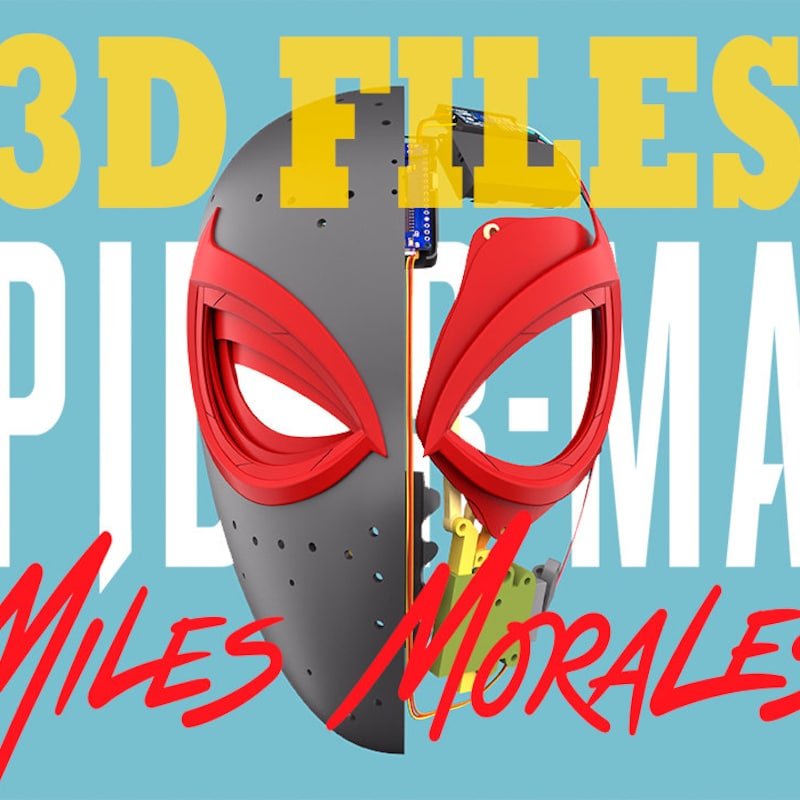
So, you're ready to swing into action, embrace your inner hero, and truly embody Miles Morales? It all starts with the mask. Getting the right Miles Morales mask isn't just about finding something red and black; it's about snagging that iconic piece that captures his unique spirit, ensures comfort, and helps you stand out, whether you're heading to a convention, a costume party, or just creating some amazing content. This comprehensive Miles Morales Mask Buying Guide is your definitive resource for navigating the web of options out there, ensuring you make a choice you'll be thrilled with.
At a Glance: Your Quick Mask Checklist
- Purpose First: Cosplay, casual wear, display, or active play? This dictates quality and features.
- Material Matters: Spandex for stretch and breathability, faceshells for structure and accuracy.
- Eye Lenses: Printed, fixed, magnetic, or LED? They significantly impact the look and vision.
- Fit is King: Measure your head! A poorly fitting mask ruins the illusion.
- Budget Clarity: Prices range wildly from budget-friendly to high-end collector's items.
- Source Wisely: Reputable online stores, custom makers, or verified sellers are key.
- Care Instructions: Know how to maintain your mask's pristine condition.
More Than Just Fabric: Why the Mask Defines Miles
Miles Morales isn't just another Spider-Man. He's a symbol of a new generation, a fresh perspective, and a hero who's finding his own way. His mask, with its distinctive sharp lenses and often more angular, stylized web pattern, is immediately recognizable and sets him apart. It's not just a costume accessory; it's the focal point of his identity, allowing him to step into the role of protector while maintaining his secret.
Choosing your mask is a critical decision because it's the first thing people see, the piece that instantly communicates "Miles." You want something that feels right, looks authentic, and helps you truly connect with the character's journey.
Deciphering the Mask Universe: Types of Miles Morales Masks
The market for Miles Morales masks is surprisingly diverse, offering options for every budget and level of dedication. Understanding the fundamental types will help you narrow down your search.
The Classic Full-Head Spandex/Lycra Mask
This is likely what comes to mind first. These masks are typically made from a stretchy fabric blend (polyester, spandex, lycra) that covers your entire head and neck.
- Pros:
- Affordable: Often the most budget-friendly option.
- Comfortable: Generally soft and breathable.
- Easy to Wear: Simple pull-on design, often with a zipper at the back.
- Good Starter Mask: Perfect for casual wear, Halloween, or beginning cosplayers.
- Cons:
- Less Structured: The fabric conforms to your face, potentially showing facial features too much.
- Lenses Can Be Flimsy: Eye lenses are often glued on or printed directly onto the fabric, which can warp or look less distinct.
- Limited Accuracy: While the pattern is there, the 3D quality of Miles's mask isn't always replicated.
- Best For: Kids, casual fans, parties, general dress-up.
The Enhanced "Faceshell" Mask: Structure Meets Style
For those seeking a more professional, screen-accurate look, a faceshell mask is often the answer. A "faceshell" is a rigid (or semi-rigid) base, usually made from a material like urethane or 3D-printed plastic, that you wear underneath a fabric mask. The fabric mask then stretches over the faceshell, giving the head and face a smooth, sculpted, and highly stylized appearance.
- Pros:
- Superior Shape: Creates the iconic, aerodynamic head shape seen in the comics and movies.
- Defined Features: Eye lenses sit perfectly and pop out more due to the underlying structure.
- Improved Visibility (Sometimes): Can create space between your eyes and the lenses, reducing fogging.
- More Professional Look: Essential for serious cosplayers and photographers.
- Cons:
- Higher Cost: Significantly more expensive than fabric-only masks.
- Less Breathable: The faceshell can trap heat, though many have ventilation.
- Can Be Bulky: Adds a layer, making the mask less packable.
- Requires a Separate Fabric Mask: You're essentially buying two components (faceshell + fabric outer layer).
- Best For: Dedicated cosplayers, film/photo shoots, fans prioritizing accuracy.
The Replica/Collector's Edition Mask: Premium Display & Wear
These are the crème de la crème of Miles Morales masks. Often limited edition, hand-crafted, or officially licensed, they combine high-quality materials with meticulous attention to detail. They might feature custom paint jobs, unique textures, and magnetic or even LED-lit eye lenses.
- Pros:
- Unrivaled Accuracy and Detail: Often indistinguishable from screen props.
- Premium Materials: Durable construction, high-grade fabrics, and superior faceshells.
- Collector's Value: Can appreciate in value over time.
- Stunning Display Piece: Perfect for showcasing in your home or office.
- Cons:
- Very Expensive: Expect to pay several hundred dollars, sometimes more.
- Limited Availability: Often produced in small batches, requiring pre-orders or quick action.
- May Be Fragile: Intricate details can be delicate, requiring careful handling.
- Best For: Serious collectors, high-level cosplayers with a substantial budget, museum-quality displays.
The DIY Base: For the Hands-On Creator
Some enthusiasts prefer to build their own mask from scratch or customize a basic faceshell. This path involves sourcing raw materials, 3D printing, and hand-finishing.
- Pros:
- Ultimate Customization: Tailor every aspect to your exact preferences.
- Personal Satisfaction: The pride of creating something unique.
- Potentially Cost-Effective (if you have tools): If you own a 3D printer, materials might be cheaper than buying finished parts.
- Cons:
- Time-Consuming: Requires significant time, skill, and patience.
- Steep Learning Curve: Not for beginners; involves fabric manipulation, painting, electronics, etc.
- Tools and Materials Cost: Initial investment can be high.
- Best For: Experienced crafters, prop makers, those seeking a truly one-of-a-kind mask.
Key Features to Look For: Beyond the Red and Black
Once you've decided on the general type of mask, it's time to dive into the specifics. The devil, as they say, is in the details, and with a Miles Morales mask, those details make all the difference.
Material Matters: Fabric, Faceshell, and Finish
The material directly impacts the look, feel, and durability of your mask.
- Fabric (for the outer layer):
- Spandex/Lycra: The most common. Look for a good blend (e.g., 4-way stretch) that offers both elasticity for a snug fit and breathability. Denser weaves tend to look more opaque and professional.
- Polyester Blends: Often used for its durability and colorfastness.
- High-End Fabrics: Some custom makers use specialized fabrics designed for cosplay, offering unique textures or enhanced stretch.
- Faceshell Material (if applicable):
- Urethane Resin: A common choice, offering a smooth finish, good durability, and reasonable weight.
- 3D Printed PLA/ABS: More rigid, can be lightweight but might show print lines if not properly finished.
- Foam/EVA: Lighter and more flexible, but offers less structural integrity and a softer look.
- Ventilation: Check for small holes or channels in the faceshell to allow for airflow and reduce heat build-up.
Eye Lenses: The Windows to Your Heroic Soul
Miles Morales's mask eyes are one of his most distinctive features – sharp, angular, and expressive. How they're implemented is crucial.
- Printed Lenses: Common on budget masks. The eye design is simply printed onto the fabric. These often look flat and can distort when stretched.
- Fixed Lenses: Separate pieces (usually plastic or acrylic) that are glued or sewn onto the fabric. These offer a better 3D effect but can pop off if not secured well.
- Magnetic Lenses: A premium feature, especially with faceshell masks. Magnets embedded in the lenses and faceshell allow you to easily attach, remove, or even swap out different eye expressions. This is ideal for photoshoots or quick changes.
- LED-Lit Lenses: Some high-end masks feature battery-powered LED lights that illuminate the lenses, creating a glowing effect. This is a showstopper, but adds weight, cost, and requires batteries.
- Visibility: Regardless of type, ensure the lenses offer adequate visibility. Darkly tinted lenses might look cool but can significantly impair your sight, especially indoors or at night. A good balance of tint and clarity is key.
Webbing: The Signature Pattern
The web pattern on Miles's mask is unique, with its distinct angular lines.
- Printed Webbing: Most common. The web pattern is printed directly onto the fabric. Look for crisp lines and good color saturation.
- Raised/Puffed Webbing: The web lines are slightly raised, often created with a special ink or fabric paint. This adds a subtle 3D texture.
- 3D-Textured Webbing: The most premium option. Individual web lines are often made from rubber or silicone and securely attached to the fabric. This provides the most realistic, tactile web pattern and is common on faceshell masks.
Zippers and Fasteners: Getting In and Out
- Rear Zipper: The standard for full-head fabric masks. Look for a sturdy, invisible or hidden zipper that won't detract from the look.
- Hook-and-Loop (Velcro): Sometimes used on simpler masks, but can be less secure and noticeable.
- No Zipper (Pull-On): For very stretchy fabric masks. Ensure the neck opening is wide enough to get your head through comfortably without stretching the fabric too much.
Fit and Comfort: Your Head's Happy Place
Even the best-looking mask is useless if it's uncomfortable.
- Breathability: Fabric masks are generally more breathable. Faceshells can be warm, so look for ventilation.
- Visibility: We've mentioned this, but it's paramount. You need to see where you're going!
- Pressure Points: A good mask, especially with a faceshell, should fit snugly without painful pressure points. If it's too tight around the temples or jaw, it will quickly become unbearable.
- Ear Coverage: Does it fully cover your ears? Some budget masks might cut short.
Sizing Up Your Spidey Self: Getting the Perfect Fit
This is non-negotiable. A mask that's too loose will wrinkle and slide; one that's too tight will be uncomfortable and potentially distort the features.
How to Measure Your Head: Don't Guess!
You'll need a flexible tape measure.
- Head Circumference: Wrap the tape measure around the widest part of your head, just above your eyebrows and ears. This is the primary measurement.
- Forehead to Chin: Measure from the center of your forehead down to the bottom of your chin.
- Ear to Ear (Over Top): Measure from the top of one ear, over the crown of your head, to the top of the other ear.
Understanding Manufacturer Size Charts
Most reputable sellers will provide a size chart with measurements (in inches or centimeters). Compare your measurements directly to their chart.
- Always check the specific chart for that product. Sizes can vary dramatically between manufacturers.
- When in doubt, size up slightly for comfort, especially with fabric-only masks. A little loose is better than painfully tight, as fabric masks can often be subtly adjusted with a bit of stitching if needed.
- Faceshells are less forgiving. If you're buying a faceshell, precision is key. If you're between sizes, contact the seller for advice.
Youth vs. Adult Sizes
Be mindful of labels. A "one size fits all" mask is usually designed for average adult heads and might be too big for younger wearers. Conversely, a child's mask will be far too small for most adults.
Where to Find Your Miles Morales Mask: The Shopping Spree
The internet is your greatest ally in this quest, but knowing where to look is key to quality and safety.
Online Retailers (Amazon, Etsy, Specialty Stores)
- Amazon/Walmart/Target: Great for budget-friendly fabric masks, especially for kids. Read reviews carefully regarding quality and sizing.
- Etsy: A treasure trove for custom makers and small businesses. You'll find a range from enhanced fabric masks to full faceshell kits. Look for sellers with many positive reviews, clear photos, and good communication. This is often where you'll find unique designs and higher craftsmanship.
- Dedicated Cosplay/Costume Stores: Websites specializing in cosplay or superhero gear often carry higher-quality masks and faceshells, sometimes officially licensed. These stores typically have more reliable sizing and better product descriptions.
- eBay: Can be hit or miss. You might find good deals on pre-owned masks or independent creators, but also many low-quality knock-offs. Vet sellers thoroughly.
Convention Vendors: Try Before You Buy
If you attend comic conventions or cosplay events, look for vendors selling masks. This offers a unique advantage: you can actually try on the mask before buying. It's invaluable for checking fit, visibility, and overall comfort. You might also discover unique custom pieces.
Custom Makers: The Bespoke Experience
For the ultimate Miles Morales mask, commissioning a custom maker is the way to go. These artists often work directly with you to create a mask tailored to your exact head measurements, preferences for lenses, webbing, and fabric.
- Pros: Perfect fit, unparalleled accuracy, unique features, personalized design.
- Cons: Highest cost, longer wait times, requires clear communication with the artist.
- How to Find Them: Often via Instagram, Facebook cosplay groups, or Etsy. Look at their portfolio, read testimonials, and ask about their process and lead times.
The Pitfalls of Knock-offs
Be wary of unbelievably cheap masks from unknown online sources, especially those with generic names or poorly translated product descriptions. These are often low-quality, using flimsy materials, ill-fitting designs, and inaccurate patterns. The eye lenses might be distorted or offer terrible visibility. Investing a little more in a reputable seller will save you disappointment.
Budgeting for Your Web-Slinging Dream: What to Expect to Pay
Your budget will largely dictate the type and quality of mask you can get.
- Entry-Level (Under $50): Mostly basic fabric masks for kids or casual adult wear. Expect printed details and a standard fit.
- Mid-Range ($50-$150): You'll find better quality fabric masks, sometimes with slightly enhanced (fixed) lenses or better-defined printed webbing. This range might also include basic standalone faceshells (without the fabric layer).
- High-End/Custom ($150+): This is where faceshells with accompanying fabric masks truly shine. Expect magnetic lenses, 3D-textured webbing, superior materials, and excellent craftsmanship. Custom commissions will generally start in this range and can go much higher depending on features like LED eyes or complex fabric work.
Value vs. Cost: Remember that the cheapest option isn't always the best value. A slightly more expensive mask that fits perfectly and lasts for years will provide far more satisfaction than a cheap one that needs replacing after one use or looks disappointing.
Care and Maintenance: Keeping Your Mask Pristine
You've invested time and money in finding the perfect mask; now, protect your investment. Proper care extends its lifespan and keeps it looking new.
Washing Instructions for Fabric Masks
- Hand Wash Only: Most fabric masks should be hand-washed in cool water with a mild detergent. Avoid harsh chemicals or bleach.
- Spot Clean: For small stains, gently spot clean with a damp cloth.
- No Machine Wash/Dry: The agitation and heat can damage the fabric, printing, or attached lenses.
- Air Dry: Lay the mask flat on a clean towel or hang it to air dry, away from direct sunlight or heat.
- Be Gentle with Lenses: Avoid scrubbing or submerging lenses, especially those glued on.
Storage Tips
- Away from Sunlight: Prolonged exposure to UV rays can fade colors and degrade materials.
- Cool, Dry Place: Humidity can encourage mold or material breakdown.
- Store Flat or on a Head Form: To prevent wrinkles or creasing, especially if it has a faceshell. Never crumple it.
- Protect Lenses: If the lenses are removable, store them separately in a protective pouch to prevent scratches.
Handling Faceshells
- Avoid Dropping: While durable, a hard fall can crack or dent a faceshell.
- Clean Gently: Wipe with a soft, damp cloth. Avoid abrasive cleaners.
- Magnetic Lenses: When handling magnetic lenses, guide them into place rather than letting them snap aggressively, which can cause wear.
Common Questions and Misconceptions
Let's clear up some frequently asked questions that pop up during the Miles Morales mask buying journey.
"Can I see well in it?"
This is a common concern. Visibility varies wildly.
- Darker lenses or dense mesh will significantly reduce visibility, especially in low light.
- Faceshells can sometimes improve visibility by providing a consistent distance between your eyes and the lenses.
- Always read reviews for real-world feedback on visibility before buying. For events, consider practicing wearing it in a safe environment.
"Is it breathable? Will I get hot?"
Yes, you will likely get warm, especially with a full-head mask or faceshell.
- Fabric-only masks are generally more breathable than faceshells.
- Faceshells can trap heat. Look for ones with ventilation holes.
- Staying hydrated and taking breaks from wearing the mask are good strategies.
"Will it fit my big/small head?"
Not all masks are truly "one size fits all." This is why measuring your head and checking size charts is crucial. If you have an unusually large or small head, you might need to seek out custom makers or brands known for offering a wider size range. Don't assume.
"Are the eye lenses interchangeable?"
Typically, only masks with magnetic lenses offer easy interchangeability. Fixed or printed lenses are usually permanent. If swapping eye expressions is important to you, specifically look for masks advertised with magnetic or swappable lenses.
"Does it come with a stand or display case?"
Unless explicitly stated in a product description for a high-end collector's item, assume no. Most masks are sold without display accessories. If you plan to display it, you'll need to purchase a head form or display case separately.
Your Next Step: Choosing Your Ultimate Mask
You now have the knowledge to confidently embark on your quest for the perfect Miles Morales mask. Whether you're aiming for a casual web-slinger look for fun or a highly accurate cosplay that turns heads, the right mask is within your reach.
Take your measurements, consider your budget, and decide on the level of detail and comfort you desire. Browse reputable sellers, scrutinize product photos, and don't hesitate to ask questions. Remember, the goal is to find a mask that not only looks fantastic but also feels great, allowing you to fully inhabit the spirit of Miles Morales. For a deeper dive into all aspects of the iconic hero's gear, you might want to explore Everything about Miles Morales mask. Get ready to swing into action!